

Autumn’s final days gave way as winter barreled into the Midwest on Friday, November 28th. Department of Transportation signs hung over the highways with a warning: “ WINTER STORM EXPECTED TO START AT 3:00 PM.” This snowfall had lasted for two days, affecting all regions of Iowa. In one fell swoop, the snow had put highway users at risk.
“Between 12 p.m. Friday and 9 p.m. Saturday, the Iowa State Patrol handled 670 calls for service as snow and slick roads created hazardous driving conditions,” CBS Iowa reported.
Des Moines bore the brunt of the storm, accumulating nearly 11 inches of snow, while other parts of Iowa saw totals ranging from 10 to 12 inches. Iowa 511 maps painted a grim picture throughout the weekend, with many highways marked as partially or completely covered. Some stretches were briefly deemed impassable as the snow continued to fall.
According to the Iowa DOT and city public works departments, they mobilized hundreds of ploughs statewide to combat the storm during the holiday weekend. The DOT’s AVL tracker, updated every two minutes, showed dozens of ploughs moving simultaneously across major routes during peak snowfall. Crews worked around the clock, with staffing adjustments made to cover the storm despite the Thanksgiving holiday. Seasonal workers supplemented full-time staff to keep Iowa’s roads navigable.
As Iowa settles into winter, officials are urging drivers to adjust their habits for the season ahead. Reducing speed is critical on snow-covered or icy roads, as stopping distances can increase dramatically. Drivers should allow extra following distance, at least eight to ten seconds behind the vehicle ahead and avoid sudden braking or sharp turns that can cause skids.
Before heading out, clear all snow and ice from windows, mirrors and lights. Check road conditions on Iowa 511 before traveling, and consider delaying trips during severe weather. Keep an emergency kit in your vehicle with blankets, a flashlight, jumper cables and non-perishable snacks in case you become stranded.
Most importantly, give snowplows plenty of room to work. Stay at least 200 feet behind operating plows and never attempt to pass them on the right, where visibility is limited and road conditions are worst. The 670 calls for service should act as a stark reminder that they are preventable when drivers exercise caution and patience.
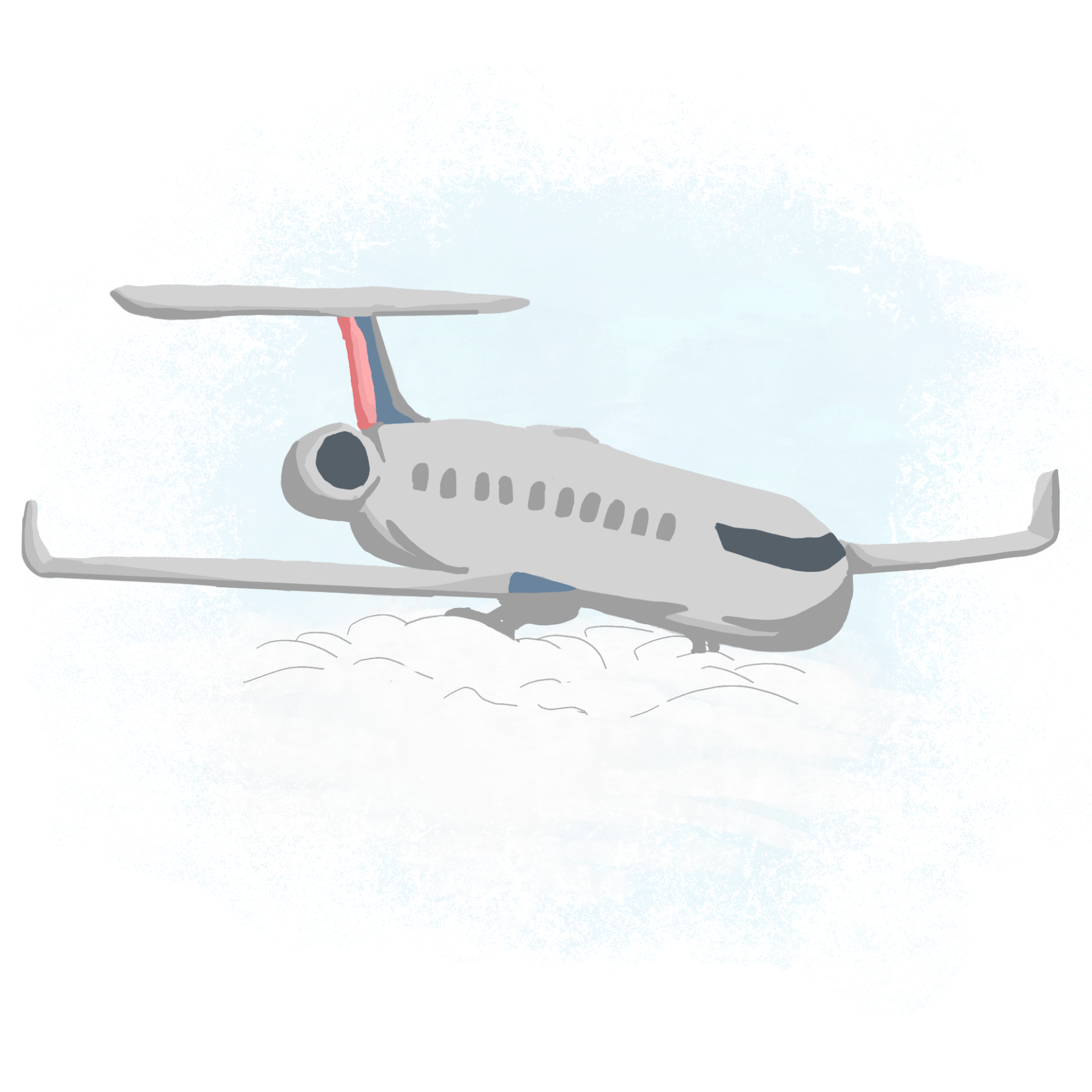
The slick travel conditions didn’t just affect the roads, but the runways as well. On November 29th, a delta airline flight touched down at the Des Moines National Airport. The Delta plane slid on the sheet of ice while taxiing off the runway, declaring a local standby alert. KCCI covered the accident in a story titled “FAA investigates after plane slides off runway at Des Moines airport.”
“By that point, Saturday’s snowstorm had dumped about 10 inches of snow in Des Moines— and up to 15 inches in other parts of the state. That’s Des Moines’ highest two-day snowfall since January 8-9, 2024,” KCCI News stated.
Fortunately, there were no injuries accounted for on the flight, and all 54 passengers walked away unharmed. The National Transportation Safety Board had declared no investigation to be made in regards to no injuries.
Checking the flight status on the Fly DSM website, the Des Moines’ National Airport delayed or canceled close to 50% of their flights on November 29. The airport decided to close the runway until Sunday, November 30th, while many people were trying to get back home from Thanksgiving.
“Delta teams at Des Moines International Airport ensured our customers were taken care of after Delta Connection flight 5087 operated by Endeavor Air left the paved surface of the taxiway due to icy conditions upon landing. Safety comes before all else and we apologize to our customers for the experience,” KCCI News.