
In 2025 alone, 1,604 Iowa families lost a loved one and chose to say “yes” to organ and tissue donation. Their decision during one of the darkest moments of their lives resulted in 367 life-saving organ transplants and more than 1,300 tissue donations.
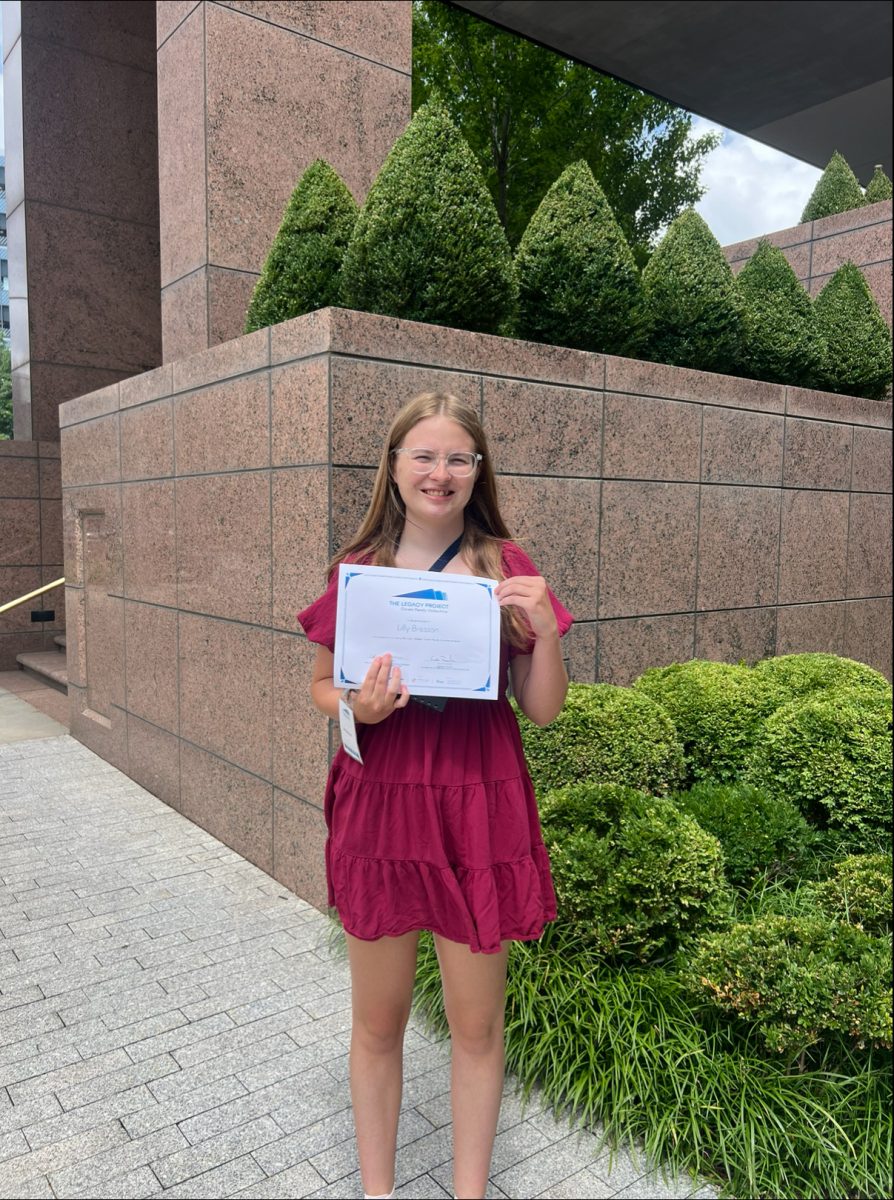
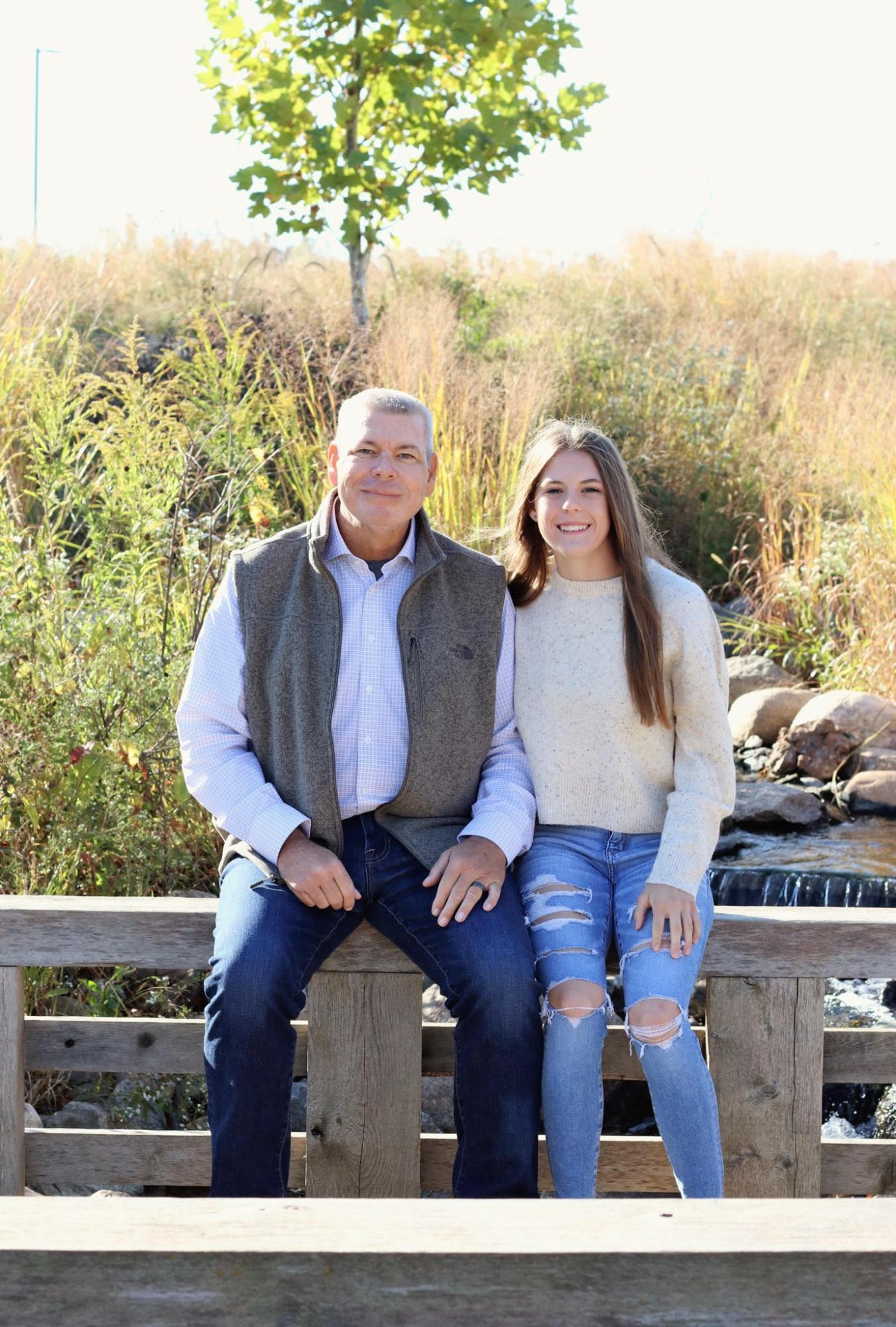
Johnston building associate Jessica Nothdorf’s daughter was impacted by tissue donation. Born with kneecaps that dislocated without warning, the 2024 Johnson High School graduate spent much of her childhood sidelined.
“Even walking was kind of a challenge for her,” Nothdorf said.
After years of instability and pain, she underwent two reconstructive surgeries using donor ligament tissue procured in the same way as vital organs. Though the family will never know the donors’ names, they were able to write letters to their loved ones.
“It completely changed her life,” Nothdorf said. “For the first time, she could run without fear. In honor of her donors, she now runs 5Ks and is a member of the Hawkeye Marching Band, pursuing pre-med studies with hopes of helping others. “It’s something as simple as checking a box,” Nothdorf added, “but it means the world to the families who receive that gift.”
While Nothdorf’s family experienced the life changing impact of tissue donation, Johnston High School junior Ryan Titus has witnessed organ donation from a different perspective as the son of a recipient still fighting every day.
“My dad has had three kidney transplants,” Titus said. “One when he was really young, one on his 18th birthday, and the latest one was in 2013.”
That transplant became part of one of the longest kidney donation chains in American history, a moment that briefly put his family in the national spotlight.
But beyond the headlines, the reality has been exhausting.
“It was a lot,” Titus said. “We were constantly back and forth between hospitals, trying to get him on lists, trying to meet with specialists.”
Now, his father undergoes dialysis three days a week, leaving home at 4 a.m. and returning late in the morning, a routine that impacts the entire family. “It’s hard,” Titus said, explaining how the schedule affects his younger siblings and daily life at home.
Titus hopes people understand that behind every transplant statistic is a family waiting. “There’s a lot of people, these lists are really long,” he said. “Some people could very well never see the donation that they need.”
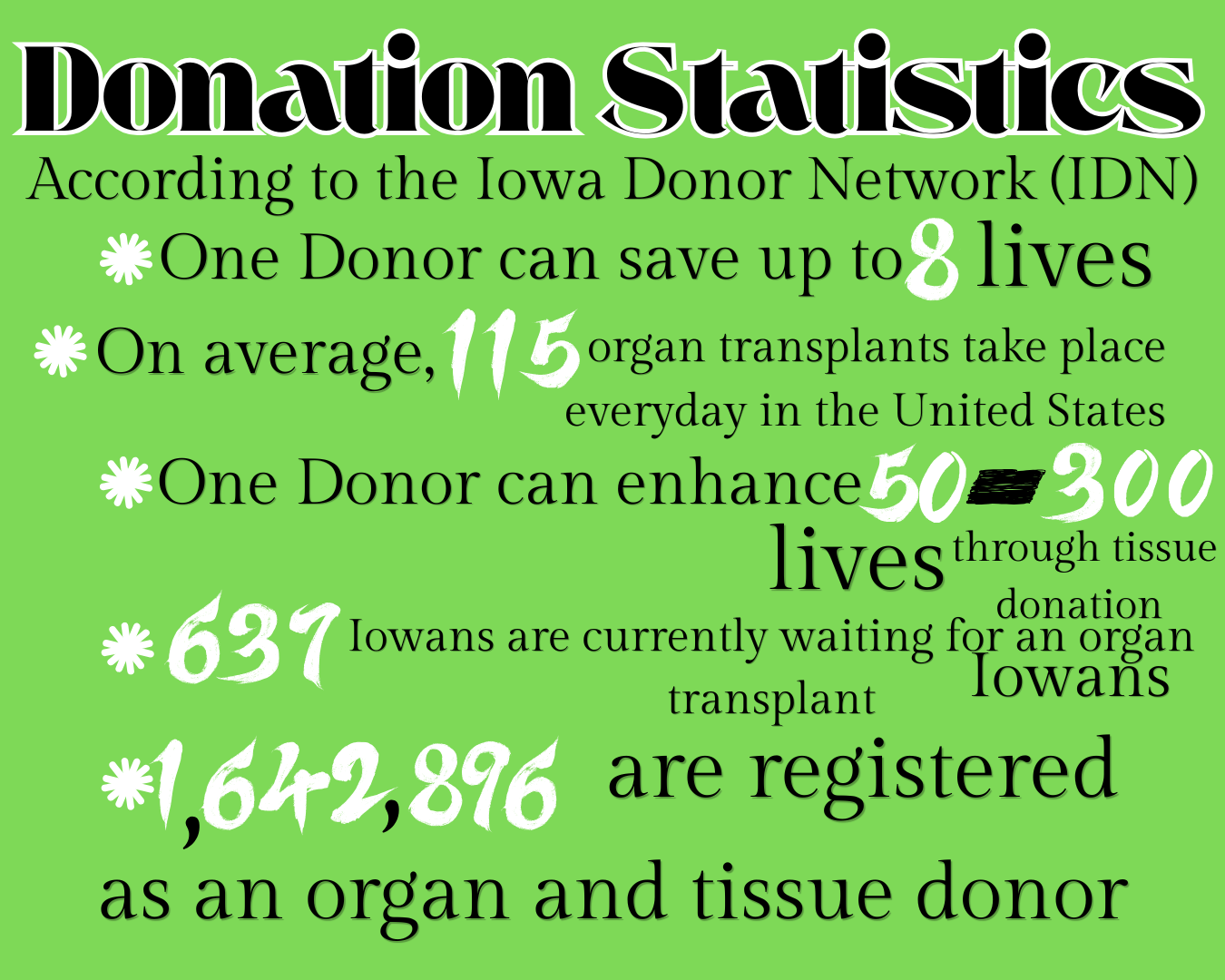
According to a recent survey conducted by JHS Black and White, 75% of the students surveyed are registered organ donors. Of those students, 62% know about tissue donation, but only 35% know what tissues can be donated. Across Iowa, roughly 1.57 million people are registered as organ and tissue donors.
“We work with people on the darkest days of their lives, on the worst days, and provide support to them. That’s obviously just a hard thing to do,” said Kate Granzow, leader of the team of family advocates at the Iowa Donor Network. “But the hardest part of my job is also the best part of my job, because I get to meet all of these families and, with the continued care that we provide, I get to see people grow in their grief journey. It is really special.”
While organ donation impacts thousands of families across Iowa each year, understanding of the donation process remains limited. High school students are often asked to register as organ donors when they receive their learner’s permit, yet many do so without fully understanding what organ and tissue donation involves.
“Obviously, we want people to register on the Iowa donor registry, but even more important than that is telling your family or loved ones that it is your wish, because donation goes best when we have the family’s support as well,” Granzow said.
According to a Mar. 1, 2026 release from the Iowa Donor Network, 607 Iowans are currently waiting for a life-saving organ transplant, with kidneys being the most needed organ. Nationally, 108,677 people are waiting for an organ transplant. However, only three out of every 1,000 people have the potential to become organ donors. One donor has the potential to save up to eight lives.
“I would like more people to be aware of what organ donation is and how it can help so many people,” junior Marisel Clifton said. “Many people don’t register because they think they cannot have an open casket funeral and would look different, but doctors ensure that you look the same as if you were alive. I feel like this would help more people choose to become organ donors because they are more informed on the topic, Clifton ’27 said.
Only after doctors determine they cannot save the patient and death is legally declared does the donation process begin. At that point, the local organ procurement organization is notified and works with hospital staff to determine whether donation is medically possible.
“The Iowa Donor Network is not made aware of the possibility of a donor until doctors have done everything they can to try to save a person’s life. We don’t come in until after that end-of-life conversation has already happened,” Granzow said.
Medical teams then evaluate medical history, cause of death and organ function to determine whether donation is possible.
“Once that process is complete, donation moves quickly and organs must be recovered within a specific time period to remain viable for transplantation,” Granzow said.
Despite the life-saving impact of donation, misconceptions remain.
“I decided not to register because my mom basically informed me that if I were to get in a car accident, they would try their bare minimum to save me,” said Aliyah Boduo ’26. “It’s just the fear of the doctor not wanting to try their best if someone really needs one of my organs.”
According to the Iowa Donor Network, hospital and emergency personnel focus solely on saving a patient’s life. They do not access donor registry information while providing life-saving treatment, and donation is only considered after all medical efforts have been exhausted.
“It is our job, both in the community and within the hospital, to make sure these misconceptions are clarified. We have professionals who walk families through every step and ensure their questions are answered,” Granzow said.
Many students who chose not to register cited family influence and personal fears, while others registered because of personal values and a desire to help others.
“I registered because I believe in helping others and I know it could save someone’s life. Seeing how many people struggle waiting for organs made me realize that I wanted to do something meaningful,” said Will Davies ’26.
One teacher said their decision to register was based on a belief in helping others, regardless of outside influence.
“If something were to happen to me, I would want to donate my organs to help someone else live. I chose to be an organ donor when I was 18 and thought, why not?” said Jennifer Palmer, a JHS teacher.
Nothdorf knows firsthand the impact that checking yes on the organ donor box can have on not only the recipient but their families and friends as well.
“It’s a selfless act, too, to be able to give back to other people, it changes lives. It literally changes lives and it doesn’t matter if it’s vital organs or if it’s tissue, you’re impacting somebody’s life for the better and changing their outcome,” Nothdorf said. “It’s something as simple as checking a box and being willing to do that, but it means the world to those families that are the recipients.”
Individuals can register when applying for a driver’s license or learner’s permit, through Logan’s Law when obtaining a hunting or fishing license, or directly on the Iowa Donor Network website. Parental involvement is important when minors make this decision.
Walking Together Loss and Life
How Medical Teams and Families Unite to Recognize the Courage of Donors During the Final Journey to the OR (Operation Room)
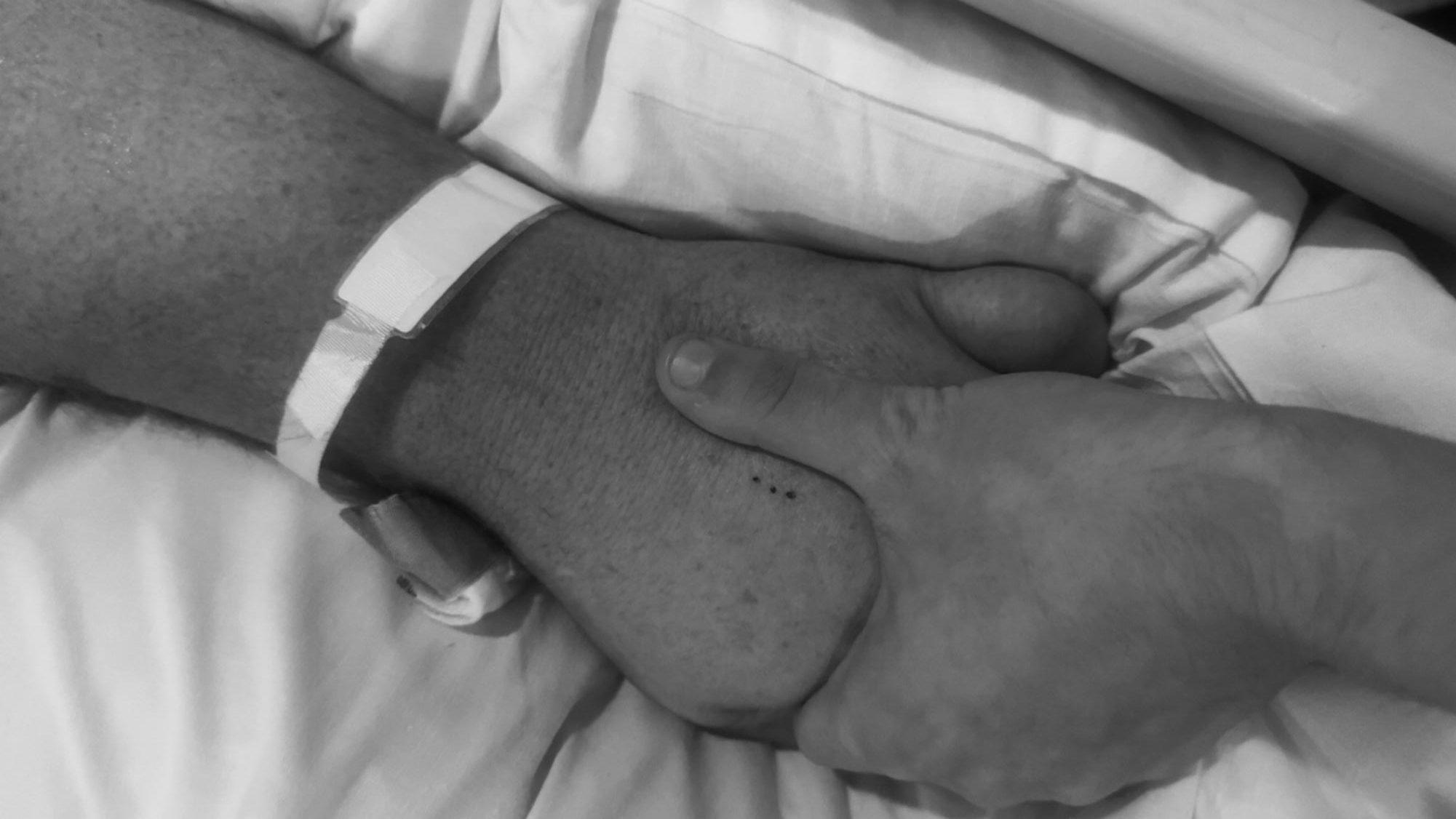
To honor the gift of donation, families may choose to participate in an honor walk. An honor walk is a quiet moment of respect held in a hospital when a donor is moved from their room or ICU to the operating room for organ recovery. It serves as a final tribute, recognizing the life of the donor and the lives their decision will impact.
During the walk, doctors, nurses, hospital staff and members of the donation organization line the hallways in silence. Many cared for the patient before their passing. Family members often walk alongside their loved one, surrounded by a community acknowledging both their loss and their courage.
“The team who cared for the patient before and during the donation process, as well as family members and friends, participate in the honor walk to recognize the gift the donor is giving. It is a way to acknowledge both the family’s loss and their and the patient’s courage,” Granzow said.
Honor walks recognize the donor’s decision to help others even in death. For grieving families, the walk can offer comfort, showing them that their loved one’s choice is valued and respected. For donation advocates, it serves as a reminder of the human impact behind the work and generosity that makes organ donation possible.
While an honor walk marks the end of one life, it also represents the beginning of a new chance at life for recipients. This quiet moment reflects the lasting impact a single decision can have and reinforces the importance of education, awareness and informed choices when it comes to organ and tissue donation.
“Donation has a ripple effect, while donation marks the end of one’s life, it represents a new chance at life for the recipient. It shows the lasting impact a single decision can have on the lives of many. And highlights the importance of education awareness, and informed choices when it comes to organ and tissue donation,” said Granzow.
A Hero’s Finish on a Different Track
Senior Sports Editor Kaden Krebs Father’s story from being apart of a Pit Crew to Organ Donation
The Morning Everything Changed
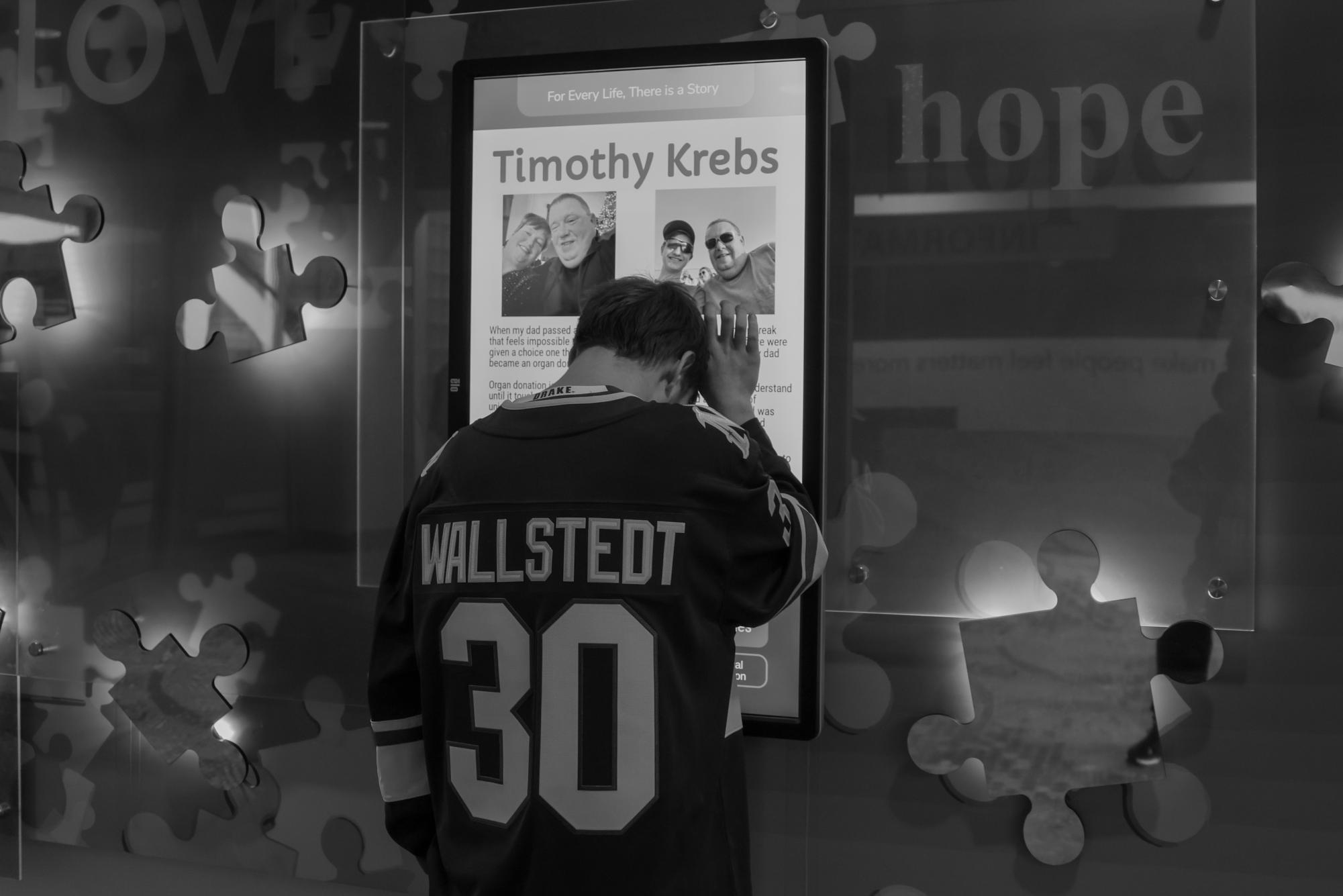
When it comes to the first day of school, most kids think about getting up early, seeing friends back in a school environment, new schedules and adjusting their sleep schedule. The majority of seniors were looking forward to their last first day of the high school journey. I was one of those seniors, looking forward to the first important senior milestone. In the early morning hours on Saturday, August 23, 2025, I never thought that my life would change in a matter of seconds and that my senior year would be flipped tragically, emotionally and physically.
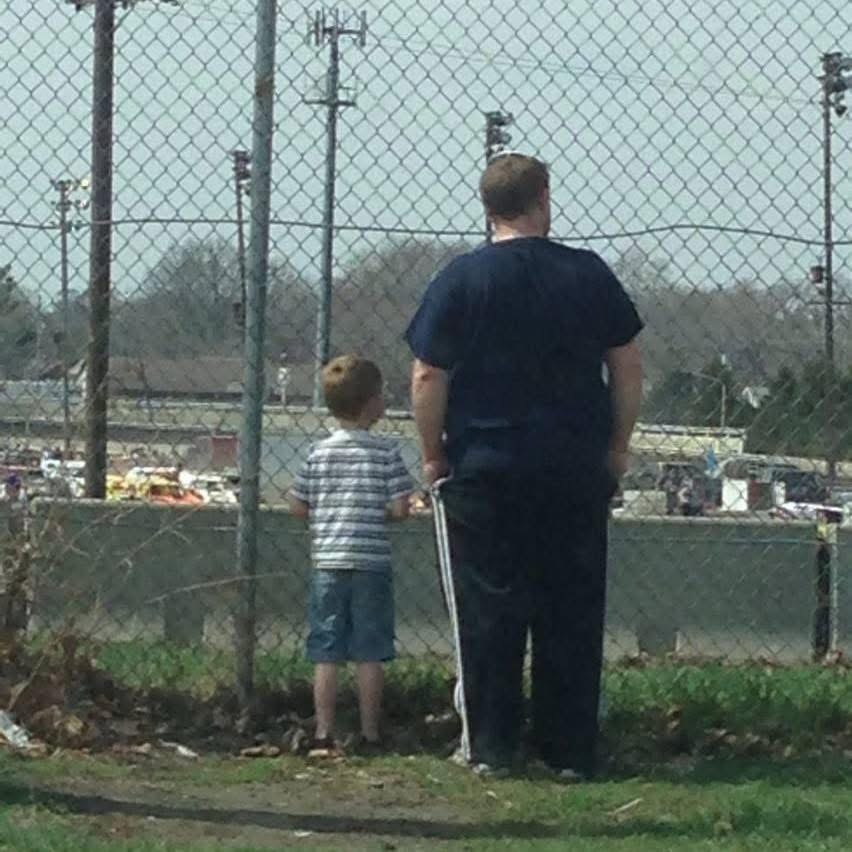
My dad had just woken up and I heard him start to come down the stairs. We had a normal conversation just like we do any morning. We planned on going to breakfast that day, getting my drivers permit and heading to Boone Speedway. Racing is one of our favorite things to do as a family and this was the last weekend of the summer before my senior year.
I heard my dad say “Kaden.” It sounded like he was struggling and I knew something was wrong. I looked over and he wasn’t responding when I answered. I was in shock. I hesitated for a few minutes to try to physically process what was happening. Dad was struggling to breathe. I ran to get my mom and we called 911.
We spent the next five days at Unity Point Methodist Hospital worrying about whether or not we would get to talk to my dad again. What should have been the first week of my senior year ended up being one of the hardest of my life. Everything felt unreal, like I was there, but not fully there. I didn’t know what to think or how to feel. One moment I had hope, and the next it felt like everything was slipping away. I was just trying to understand how my life could change so quickly.
On that Tuesday, I received the worst news a kid could ever imagine; my dad’s MRI showed that he was brain dead due to the lack of oxygen to his brain and vital organs. The next day would be my last with my father. When my family gathered to take him off life support, we found out my dad was an organ donor. We went in that morning thinking it would be over soon, but we then learned the donation process would be delayed. Through this, my family was having a fit about it all, the idea of not being able to . It was then my uncle stood up and said “everybody be quiet,” looked at me and my mom and asked us, “What do we want to do?” My mom looked at me and I looked at her and said “well, let’s honor my dad’s wishes.”
The Decision
At that moment, I didn’t fully understand what organ donation meant. Everything was still moving so fast and I was still trying to process losing him and how this could happen to me. The thought of organ donation hadn’t really crossed my mind before, especially not in a moment like this; it was overwhelming. I didn’t know how to feel about it. But after Kate Granzow, the leader of the team of family advocates at the Iowa Donor Network sat down with us as a family and explained to us what was going to happen, I started to understand that this is something my dad chose for a reason and he made a choice to help others even after he was gone. It didn’t make the pain go away nor didn’t make losing him any easier, but it gave everything a different meaning, knowing that he was able to help other people. Because of his selfless action, someone else’s family could get more time with a loved one and more memories with their family It’s something that is very sensitive to me, and I will carry it with me for the rest of my life.
That’s why I want to tell this story. The past seven months have been nothing but terrible and challenging trying to figure out a reality without my father. No one could have prepared me for a life without my father. I’ve been trying to navigate through anxiety, depression and my grief journey and still show up to school and have some time to process the traumatic loss and graduate high school. Balancing all of that has not been an easy task. There are days where I show up with minimum energy and I’m so down. Then there are days where I have a lot of energy and I get a lot done. My dad would be proud of me for writing an article about what I am passionate about and continuing to press forward even through the rough times. I know he is my number one supporter and will always keep me safe.
Understanding What It Meant
I have learned that organ and tissue donation is a way of giving life whether you’re dead or alive to someone who desperately needs it. When you donate tissues you drastically change that person’s life for the good. My dad was able to donate two kidneys, and that to this day has helped me continue to move forward knowing he helped two people. Knowing that me and my family made an impact on those two lives has helped me move forward.
My Dad’s Legacy
My dad was the kind of a person who showed his love through his actions. He worked hard and sacrificed what he needed to and always put our family first. No matter what was going on, we knew he was there for us. He left dirt track racing and the community that came with it, but even more than anything he loved being able to spend time with family at the track. Some of my favorite memories with my father are the simple ones. Just being together laughing and enjoying the moment, that’s just who my dad was. That’s why my dad’s decision to be an organ donor fit him so well even though he was on life-support and couldn’t talk; in his darkest moments, he still put others first before himself. He made a choice that gave other people more time, life and more memories with their family. That says everything about the kind of person my dad was.
Why I’m Telling This Story
Writing this story, learning more about organ donation and even shedding some tears has helped me in ways I didn’t expect and I couldn’t explain. Although it hasn’t taken the pain away, and nothing ever will, it’s helped me understand everything a little more. It has given me a way to process what happened and see that even though something so tragic and painful happened to me, my dad was still able to make a difference.
If there’s one thing I hope people take from this, it’s not to wait to make that decision to be an organ donor. It is as easy as checking a box. Once you simply check that box, you never know you could make a significant impact on somebody’s life. One decision can save lives. It gives families more time. I wish I still had that time, but his choice won’t take away the pain, but it can turn something tragic into something meaningful.