

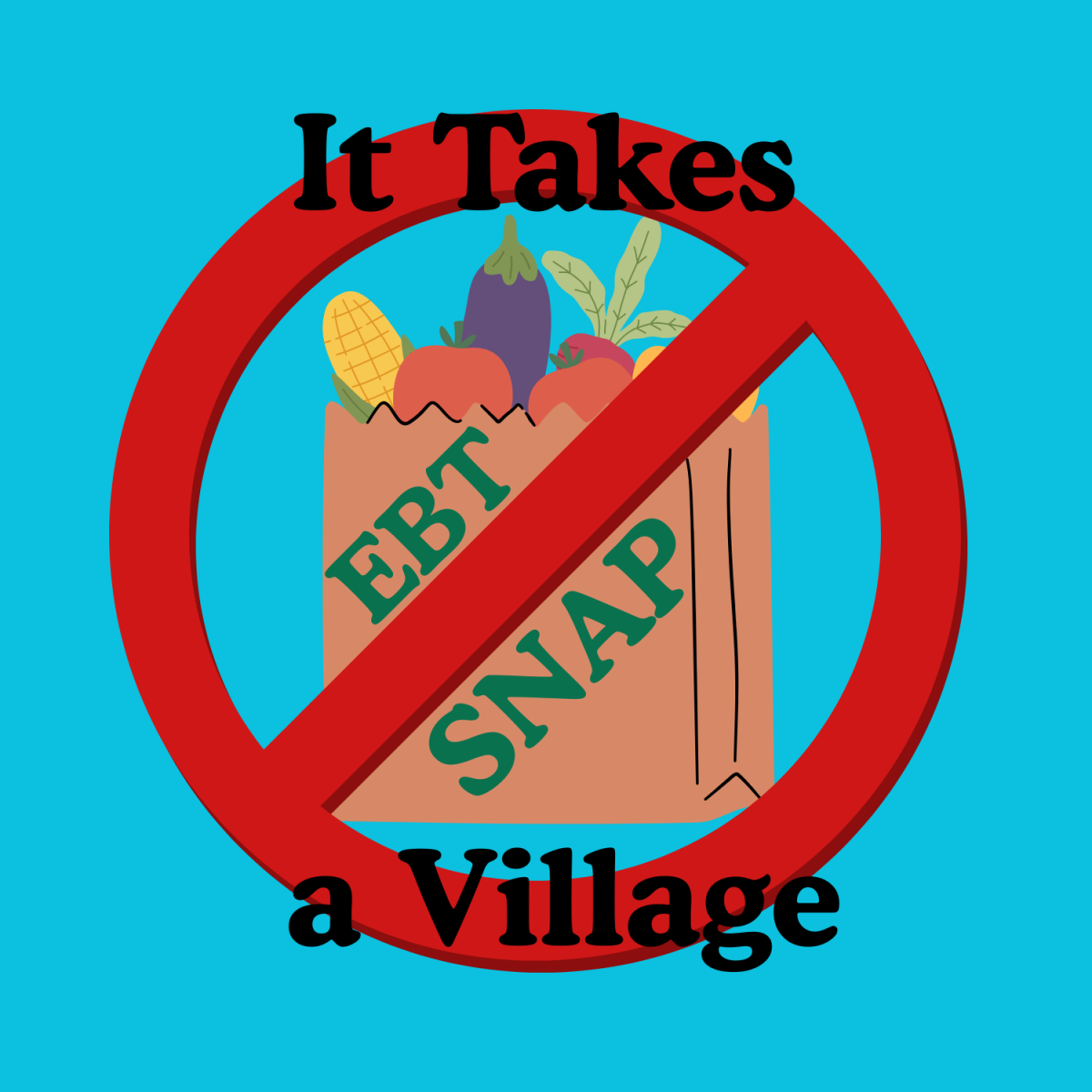
On November 1, 2025, Iowans will not receive food assistance benefits as the government shutdown continues. The Supplemental Nutrition Assistance Program, or SNAP, provides food benefits for over 267,000 Iowans. Amidst the shutdown, these benefits will no longer be provided, threatening that Iowans could go hungry.
“I do know of friends and other people that did rely on those. I also have, you know, seen kind of firsthand when you go volunteer at those places, how important it is. And I think it’s just near and dear to my heart, even though I’ve never experienced it,” JHS Instructional Coach Rachel Jensen said.
Iowans will still be able to spend existing SNAP benefits, but there will not be additional benefits provided until the shutdown is over. Aside from SNAP, options such as food pantries and food banks will still be available to struggling families. But this gap cannot be fully filled by these organizations.
“I think our pantries are going to see an influx of people coming. They have their usuals, and they know what numbers they need. But now, with the holidays coming up, I feel like that number is going to rise up and pantries are going to take a bigger hit. …we have a lot of storehouses that I feel like are going to see a lot more of an increase in foot traffic,” Jensen said.
For every meal that a food bank or food pantry supplies, SNAP provides nine. In this time of uncertainty, donations to local food banks and pantries are more necessary than ever. For larger organizations like the Des Moines Area Religious Council (DMARC) and The Food Bank of Iowa, it is more important to donate money designated for purchasing food. This is because these organizations are able to buy more food at a wholesale price than can be donated. At local organizations like the Johnston Partnership, food donations are just as invaluable as money.
“Currently, our student council is running a kind of a food drive for the whole month of November, so that is an easy way that they could bring in supplies for our kids. Another option is you can go to the Johnson Partnership website, and we can online donate, like even if you can’t bring in food, you could donate money. And just spreading that word to get people to donate is a huge part that our students can do,” Jensen said.
In all cases, take what you need, and give whatever you can. Food insecurity in America impacts 1 in 7 people. Helping those in need doesn’t just mean sending meals to people across the world. It means helping your neighbors and classmates.
“I would want those benefits, if I was to just all of a sudden lose my job or an income,” Jensen said.